
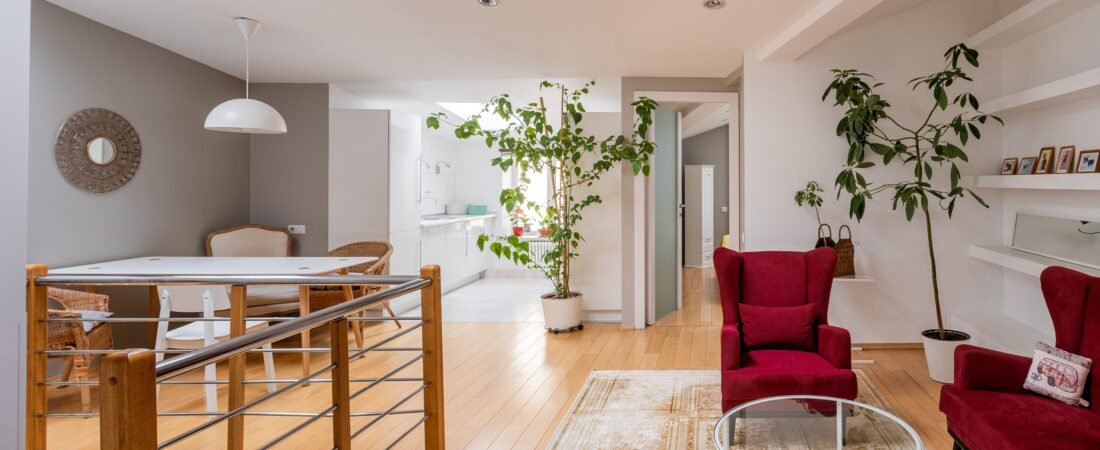
Your home does not need a complete makeover to feel more stylish and inviting. Sometimes, a few carefully chosen home accents can make a bigger difference than replacing large pieces of furniture.
From floating shelves and mirrors to greenery, lighting, and decorative details, the right accents can add personality while making your space feel more balanced and finished.
The best part is that you do not have to follow one decorating style. You can mix textures, colors, natural elements, and personal touches to create a home that feels comfortable and uniquely yours.
In this guide, we will look at 15 practical home accent ideas that can help refresh your space without requiring a major renovation.
Table of Contents
What Are Home Accents?
Home accents are decorative or functional pieces that add character, color, texture, or visual interest to a room. They can include mirrors, shelves, plants, vases, textiles, lighting, wall decorations, and other small details.
Unlike large furniture pieces, home accents are often easier to change when you want to update the look of your home.
The key is choosing accents that work with your existing furniture and overall style rather than filling every empty space with decorations.
15 Home Accent Ideas to Refresh Your Space
1. Add Floating Shelves for Style and Storage

Floating shelves are an easy way to make an empty wall more useful while creating space to display decorative pieces.
You can use them for small plants, books, framed photos, candles, or other objects that reflect your personality. Rustic floating shelves can work particularly well in homes with warm, natural, or casual interiors.
When styling shelves, avoid filling every inch. Leaving some open space helps the arrangement look clean rather than cluttered.
2. Bring Nature Indoors With Greenery

Greenery can make an interior feel fresher and more welcoming. You do not necessarily need a large collection of houseplants to achieve the effect.
Artificial leafy vines can be useful when you want a low-maintenance decorative touch. They can be placed around shelves, along a wall, or in a decorative arrangement.
Try using greenery near neutral walls or wooden furniture to create a natural-looking contrast.
3. Use a Statement Mirror as a Decorative Accent

A mirror can be much more than something you use to check your appearance. It can also become an important visual feature in a room.
A well-placed mirror can reflect light and make a space feel brighter and more open. A vanity mirror with built-in lighting can also combine function with a stylish appearance.
For the best effect, consider placing mirrors where they can reflect natural or artificial light rather than positioning them randomly.
4. Create a Green Corner With a Plant Stand

If you enjoy adding greenery to your home, a plant stand can turn an otherwise unused corner into an attractive feature.
A plant stand with a grow light can be particularly useful when a suitable corner does not receive enough natural light.
Instead of spreading plants throughout the room, grouping a few together can create a stronger visual impact and make the space feel intentional.
5. Use Curtains to Add a Finished Look
Curtains can influence the overall appearance of a room more than many people realize.
Even simple curtains can make windows look more polished and help connect different colors throughout a space. Curtain rings with clips can also make hanging and adjusting curtains easier.
For a balanced appearance, choose curtain colors and textures that complement the furniture and other home accents rather than competing with them.
6. Display Small Decorative Objects
Small decorative pieces can add personality without taking up much space.
Books, trays, small sculptures, candles, and other objects can be arranged on shelves, tables, or consoles.
Instead of displaying everything you own, choose a few pieces that work together. Grouping objects in different heights can make the arrangement more interesting.
7. Mix Different Textures
A room can sometimes feel flat when everything has the same texture.
You can create more visual interest by combining materials such as wood, ceramic, glass, metal, woven fabrics, and greenery.
For example, a wooden shelf paired with a ceramic decorative piece and greenery can create a simple but layered look.
You do not need many colors when the textures already provide variety.
8. Create a Simple Focal Point
Every room benefits from having something that naturally attracts attention.
A focal point could be a large mirror, an attractive piece of wall decoration, a styled shelf, a statement light, or even a collection of plants. If you want to give your living room a warmer and more inviting feel, explore our guide to 5 Stunning Living Room Decor Ideas to Make Your Space Cozy and Stylish for more practical styling inspiration.
Once you choose the focal point, keep the surrounding area relatively simple. Too many competing features can make a room feel visually busy.
9. Use Warm Lighting to Change the Mood
Lighting is one of the easiest ways to change how a home feels.
Instead of relying only on one bright ceiling light, consider adding smaller sources of illumination around the room.
Table lamps, floor lamps, accent lighting, and decorative lights can create softer layers of light and make an interior feel warmer in the evening.
When selecting lighting, consider both its appearance and the type of light it produces.
10. Add Natural Materials
Natural materials can make an interior feel warmer and more relaxed.
Wood, woven materials, stone, ceramic, cotton, and similar textures can work well in many decorating styles.
You do not have to redesign an entire room. Adding a few natural-looking accents can be enough to introduce warmth and texture.
11. Make Empty Corners More Useful
An empty corner does not always need to remain empty.
Depending on the size of the space, you could add a plant stand, a small table, a floor lamp, or a carefully styled decorative arrangement.
The goal is not to fill every unused area. Instead, look for corners where one useful or attractive piece can improve the overall balance of the room.
12. Add Personal Pieces That Tell Your Story
A stylish home should still feel personal.
Family photographs, travel memories, books, handmade pieces, or objects connected to your interests can make your space feel more authentic.
Rather than copying a showroom exactly, combine decorative trends with items that have meaning to you.
This creates a home that feels lived-in instead of overly staged.
13. Repeat Colors Throughout the Space
A simple color connection can make different home accents feel like they belong together.
For example, if you have a warm neutral color in your curtains, you could repeat a similar tone in cushions, artwork, ceramics, or another small decorative piece.
You do not need every item to match. Repeating one or two colors is often enough to create visual consistency.
14. Use Decorative Pieces to Add Height
When styling shelves, consoles, or tables, objects at exactly the same height can look flat.
Try combining taller and shorter pieces to create a more natural arrangement.
A tall vase, plant, or decorative object can be paired with smaller books, trays, or accessories.
This simple technique can make your home accents look more thoughtfully arranged.
15. Keep Your Decor Intentional, Not Cluttered
One of the most important decorating principles is knowing when to stop.
Adding more decorations does not automatically make a home look better. Too many objects can make even a large room feel crowded.
Instead, choose pieces that serve a purpose, add beauty, or have personal meaning.
Give your favorite accents enough space to stand out.
How to Choose the Right Home Accents
Before buying new decorative pieces, consider four simple things.
Consider the Size
Large accents can overwhelm a small area, while very small pieces may disappear in a large room.
Measure your available space before buying larger items such as mirrors, shelves, rugs, or plant stands.
Think About Color
Choose colors that complement your existing furniture and walls.
If your room already contains several strong colors, neutral accents may help create balance. If the room is mostly neutral, a few carefully selected accent colors can add personality.
Mix Textures
Combining different textures can make a simple room feel more interesting.
Wood, ceramic, fabric, metal, and greenery can work together without requiring lots of different colors.
Look for Function as Well as Style
The best home accents can sometimes serve a practical purpose too.
Shelves can provide storage, mirrors can reflect light, plant stands can organize greenery, and curtains can improve both privacy and appearance.
When an item is both useful and attractive, it can add more value to your home.
How to Mix Home Accents Without Making Your Home Look Cluttered
The easiest way to avoid clutter is to create some visual breathing room.
Do not place decorative pieces on every available surface. Instead, create small groups and leave empty areas around them.
You can also use the rule of combining different heights and textures. For example, a tall plant can sit beside a smaller decorative object, while a wooden or ceramic element can introduce another texture.
Most importantly, step back and look at the room as a whole. If one area feels too busy, removing one or two items may improve the design more than adding another decoration.
Affordable Ways to Refresh Your Home
You do not need to replace your furniture to make your home feel different.
Start with the areas that receive the most attention. An empty wall, unused corner, plain shelf, or window can often be improved with one or two carefully selected accents.
If you are decorating on a limited budget, focus on changes that have a visible impact rather than buying many small items at once.
You can also find more practical ideas in our guide to Home Decor Ideas on a Budget, especially if you want to refresh your home while keeping your spending under control.
Final Thoughts
Home accents are a simple way to give your space more personality without starting a complete decorating project.
The key is not to buy more decorations simply because a space looks empty. Instead, choose pieces that add color, texture, function, or personal character.
Floating shelves, greenery, mirrors, lighting, curtains, natural materials, and meaningful decorative pieces can all help create a home that feels stylish and welcoming.
Start with one area that feels unfinished, make a small change, and build from there. A few intentional updates can make your home feel noticeably more polished without changing everything.
Frequently Asked Questions
What are home accents?
Home accents are decorative or functional pieces that add personality, color, texture, or visual interest to a home. Common examples include mirrors, shelves, plants, lighting, decorative objects, curtains, and textiles.
How can I make my home look stylish without spending a lot?
Start with small, high-impact changes such as improving lighting, rearranging existing decorations, adding greenery, styling shelves, or introducing a mirror or other focal point. You can also focus on one area at a time rather than decorating the entire home at once.
How many decorative accents should a room have?
There is no fixed number. The right amount depends on the size of the room and your decorating style. A useful approach is to leave some open space so your favorite pieces can stand out.
How do I choose home accents that match?
Look for connections in color, material, shape, or texture. Your accents do not have to match perfectly. Repeating one or two elements throughout the space can make the overall design feel more cohesive.
What is the difference between home decor and home accents?
Home decor is a broad term that includes the overall decorative style of a home. Home accents are the individual pieces and finishing details that help create that style.
Can home accents make a small space look better?
Yes. The right accents can improve a small space without making it feel crowded. Mirrors, vertical shelving, carefully positioned lighting, and a limited number of decorative pieces can add style while maintaining an open feel.
Affiliate Disclosure
This post contains affiliate links. If you purchase a product through one of these links, HomeDekoza may earn a small commission at no extra cost to you. We only recommend products we believe may be useful for our readers.