
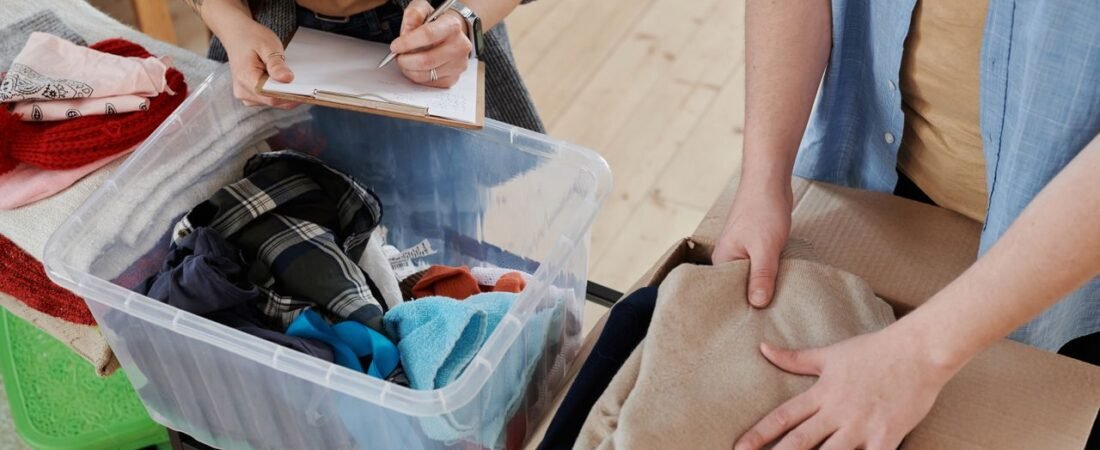

A cluttered home can make everyday life feel harder than it needs to be. When too many things are taking up space, it can become difficult to find what you need, keep rooms tidy, or simply feel comfortable in your own home.
The good news is that you do not need to declutter your entire home in one day. A better approach is to start small, make simple decisions, and work through your home one area at a time.
In this guide, you will learn how to declutter your home step by step, what to keep or remove, how to deal with difficult items, and how to make it easier to keep your home organized afterward.
Table of Contents
Why Decluttering Your Home Is Worth Doing
Decluttering is not about having a perfect-looking home. It is about making your space easier to use and maintain.
When you remove things you no longer need, you can create more usable space, spend less time looking for items, and make everyday cleaning easier.
A less cluttered home can also make it easier to organize the things you actually use. Instead of trying to find storage for everything, you first decide what is worth keeping.
That is why decluttering should usually come before organizing.
How to Declutter Your Home When You Feel Overwhelmed
One of the biggest mistakes beginners make is trying to tackle everything at once.
Looking at an entire house filled with belongings can quickly become overwhelming. Instead, choose one small area.
You could start with:
- One kitchen drawer
- A bedside table
- One shelf
- A bathroom cabinet
- One section of your wardrobe
- A small part of the living room
Set aside a short amount of time and focus only on that area. Once you finish it, you will have a clear result and a simple starting point for the next area.
The goal is progress, not perfection.
Use a Simple Sorting System
Before you begin, prepare a few bags, boxes, or clear spaces for different categories.
A simple system can include four groups:
Keep
These are things you use regularly, genuinely need, or have a clear reason to keep.
Ask yourself whether the item has a useful place in your current life.
Donate
If something is still useful but you no longer need it, donating it can give it another purpose.
Clothes that no longer fit, duplicate household items, and things you have stopped using may belong here.
Sell
Some unwanted items may still have enough value to sell.
However, be realistic. If an item has been sitting unused for a long time and you are unlikely to list it, selling it may simply create another unfinished task.
Toss or Recycle
Broken, expired, damaged, or unusable items may need to be thrown away or recycled where appropriate.
Do not keep something simply because you feel guilty about getting rid of it.
Declutter Your Home Room by Room
Working room by room can make the process much easier because you can focus on one type of space at a time.
Living Room
Start with visible surfaces such as coffee tables, shelves, cabinets, and TV units.
Remove things that do not belong in the room and collect decorative items that you no longer enjoy.
Try not to fill every empty surface again. Leaving some clear space can make the whole room feel calmer.
Kitchen
The kitchen is often one of the easiest places for clutter to build up.
Check drawers, cupboards, countertops, and food storage areas.
Look for duplicate utensils, containers without matching lids, appliances you rarely use, expired food, and items that have been pushed to the back of cupboards.
Keep the things you actually use within easy reach.
Bedroom
Begin with clothes, bedside tables, drawers, and visible surfaces.
For clothing, ask yourself whether you still wear the item and whether it fits your current lifestyle.
You do not need to remove everything you have not worn recently. Instead, look for obvious items that no longer fit, are damaged, or have not been useful for a long time.
Bathroom
Check your cabinets and drawers for expired products, empty containers, duplicates, and items you never use.
Keeping frequently used products together can also make your morning and evening routines easier.
Entryway and Storage Areas
These spaces can quickly become dumping grounds for bags, shoes, paperwork, boxes, and miscellaneous items.
Give commonly used items a clear home. Anything that does not belong there should either be returned to its proper place or added to your sorting groups.
How to Decide What to Keep and What to Let Go
Learning how to declutter your home becomes easier when you focus on one item at a time. Some items are easy to remove. Others are difficult because they have sentimental value or because you think you might need them someday.
When you are unsure, ask yourself a few simple questions:
- Do I use this?
- Would I buy this again today?
- Do I have another item that does the same job?
- Does this fit my current needs?
- Am I keeping it because I need it or because I feel guilty getting rid of it?
- If I had less space, would I still choose to keep it?
You do not have to make every decision immediately. If something is genuinely difficult to decide about, place it in a separate box and return to it later.
The important thing is to avoid turning every decision into a long process.
How to Stop Clutter From Coming Back
Decluttering your home once is helpful, but maintaining it is what makes the biggest difference over time.
A few simple habits can help:
Give everything a home.
When an item has a clear place, it becomes easier to put it away.
Deal with small amounts of clutter regularly.
A few minutes of tidying can prevent small problems from becoming large ones.
Be careful about what you bring into your home.
Before buying something, ask whether you really need it and where you will keep it.
Use the one-in, one-out idea when it makes sense.
For some categories, bringing in a new item can be a good reason to remove an old or unused one.
Do not wait for your home to become completely cluttered again.
Small maintenance sessions are usually easier than starting a major decluttering project from scratch.
Make Decluttering Easier With a 30-Day Plan
If you find it difficult to stay consistent, having a simple daily plan can make the process easier.
Instead of trying to declutter your whole home in one weekend, you can work through smaller tasks over several days.
A structured 30-day challenge can help you know what to work on each day, track your progress, and gradually create better organization habits.
If you want a ready-to-follow system, our 30-Day Home Organization Challenge gives you a practical daily plan to help you declutter, organize, and maintain your home step by step.
Shop on Etsy to get the complete challenge and start with one small area of your home.
Frequently Asked Questions
What is the easiest way to start decluttering your home?
Start with one small area instead of the entire house. A drawer, shelf, bedside table, or small section of a room can be enough for your first session.
How do I declutter my home when I feel overwhelmed?
Break the job into small tasks and focus on one area at a time. You do not need to finish an entire room in one session.
What should I get rid of when decluttering?
Start with things that are broken, expired, unused, duplicated, or no longer useful to you. For more difficult items, take time to consider whether they still have a meaningful purpose in your life.
Should I declutter before organizing?
In most cases, yes. Removing things you no longer need makes it easier to organize the belongings you decide to keep.
How often should I declutter my home?
There is no single schedule that works for everyone. Small regular decluttering sessions can help prevent clutter from building up and make larger clean-ups less necessary.
Final Thoughts
Learning how to declutter your home does not mean getting rid of everything you own. It means making thoughtful decisions about what deserves your space.
Start small, work at a comfortable pace, and focus on progress rather than perfection. Once you remove the things you no longer need, organizing and maintaining your home becomes much easier.
And remember, you do not have to change your entire home in one day. Sometimes one drawer, one shelf, or one small corner is enough to get started.